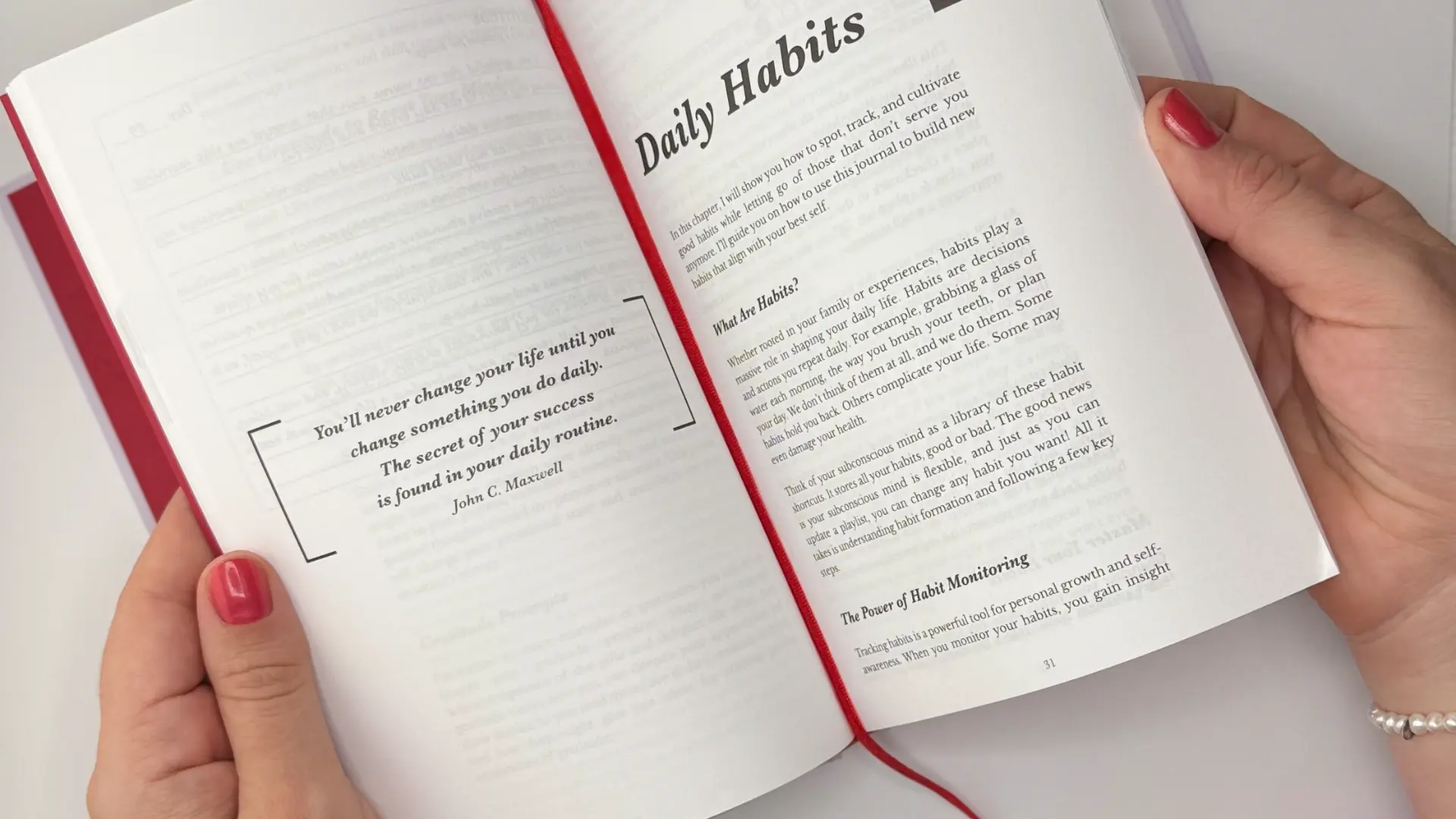
Personal development habits are daily practices that help individuals improve aspects of their lives — including mindset, health, productivity, and relationships. Consistent implementation of effective habits can dramatically shape your trajectory, enabling you to reach your goals faster and maintain long‑term fulfillment.
In this blog post, we will explore the most impactful personal development habits, explain why they matter, and provide actionable steps for integrating them into your life. Whether you are beginning your self‑growth journey or seeking ways to refine your routine, this guide will help you cultivate habits for success and well‑being.
What Are Personal Development Habits?
Personal development habits are routine behaviors that contribute to self‑improvement. Unlike occasional actions or one‑time goals, habits are consistent practices that become part of your lifestyle. These habits influence your mindset, productivity, emotional regulation, and overall quality of life.
Examples of widely recognized personal development habits include journaling, reading, goal‑setting, time management, exercise, and reflection. They help you grow mentally, physically, and emotionally while building discipline and resilience.
Why Personal Development Habits Matter
Implementing personal development habits has far‑reaching benefits:
- Enhanced Productivity: Establishing a structure to your day allows you to accomplish more with clarity and purpose.
- Greater Self‑Awareness: Habits like journaling increase introspection, helping you understand patterns and areas for improvement.
- Improved Mental Health: Practices such as mindfulness and self‑reflection reduce stress and promote emotional stability.
- Long‑Term Growth: Habits compound over time, leading to sustained progress rather than short‑term wins.
Adopting habits that align with your values and goals is one of the most effective ways to shape the life you want.
Foundational Personal Development Habits
Here are the essential habits that high‑achieving individuals often practice:
1. Morning Routine with Intention
Developing a purposeful morning routine sets the tone for your entire day. A structured start helps you focus and create momentum.
Key elements include:
- Waking up early: Rising at a consistent time enhances discipline and gives you time for morning priorities.
- Hydration and nourishment: Fueling your body boosts energy and cognitive function.
- Mindful preparation: Activities such as brief meditation, prayer, or reading uplifting content instill calm and purpose.
Research shows that individuals with defined morning routines tend to report higher productivity and lower stress levels.
2. Reading and Continuous Learning
Reading is one of the most powerful personal development habits you can adopt. Reading stimulates your mind, exposes you to new ideas, and improves communication skills.
Focus on:
- Personal growth books by authors like Stephen R. Covey, Carol S. Dweck, and James Clear.
- High‑quality blogs and articles on leadership, productivity, and emotional intelligence.
- Audiobooks or podcasts for learning on the go.
Make it a goal to read at least one book per month — a simple but transformative habit.
3. Goal Setting and Review
Clear goals give direction to your efforts. Successful people create specific, measurable, achievable, relevant, and time‑bound (SMART) goals.
Steps for effective goal setting:
- Write down long‑term and short‑term goals.
- Break big goals into manageable tasks.
- Review and update your goals weekly.
This habit fosters accountability and keeps you aligned with your desired outcomes.
4. Journaling for Growth
Journaling is a reflective practice that helps clarify thoughts, track progress, and process emotions. It also enhances self‑awareness and decision‑making.
Try:
- Gratitude journaling to focus on positive aspects of life.
- Reflection prompts to assess challenges and opportunities.
- End‑of‑day summaries to track progress and lessons learned.
Many personal development experts recommend journaling as a daily habit for mental clarity and emotional well‑being.
5. Regular Physical Activity
Physical health and personal growth are deeply interconnected. Exercise releases endorphins, strengthens the body, and improves mental focus.
Recommended routines include:
- 30 minutes of moderate exercise daily.
- Strength training or yoga for flexibility and resilience.
- Walking or cycling as habit‑friendly activities.
Your brain thrives when your body is active.
6. Mindfulness and Meditation
Mindfulness practices improve emotional regulation and reduce anxiety. Meditation trains your attention, helping you stay present rather than overwhelmed by stress.
Start with:
- Five to ten minutes of daily meditation.
- Guided meditation apps or breathing exercises.
- Mindful pauses throughout the day to center yourself.
Ongoing research links meditation to improved cognitive function and emotional stability.
How to Build and Sustain Personal Development Habits
Understanding habits is one thing; sticking to them consistently is another. Here are evidence‑based strategies to help you build and maintain your habits:
Make Habits Small and Achievable
Habits become sustainable when they are realistic. Start with micro‑habits — small daily tasks that you can consistently accomplish. For example, instead of “read one book every week,” start with “read 10 pages per day.”
Use Habit Tracking Tools
Tracking increases accountability and motivation. Consider using:
- Digital tools such as Notion, Trello, and habit tracking apps.
- A dedicated personal planner where you record daily habits and streaks.
Visual progress fosters commitment.
Create a Consistent Environment
Your environment significantly influences your behavior. Arrange your physical and digital spaces to support your habits:
- Keep your journal and books on your desk to encourage reading and writing.
- Remove distractions from your workspace.
- Set reminders on your phone for key habits like meditation and exercise.
Small environmental changes can make good habits easier to follow.
Practice Self‑Compassion
Failure is a natural part of habit formation. Instead of self‑criticism when you slip up, practice self‑compassion. Acknowledge the challenge, learn from it, and restart your habit.
Consistency over perfection is the key to long‑term success.
Advanced Personal Development Practices
Once you have established foundational habits, consider integrating advanced practices:
Networking and Mentorship
Engaging with mentors expands your perspective and accelerates your growth. Attend workshops, join communities, and seek guidance from individuals you admire.
Time Blocking for Productivity
Time blocking helps you allocate specific blocks of time for tasks, minimizing multitasking and increasing focus. This time management strategy enhances productivity and reduces overwhelm.
Continuous Feedback Loop
Actively seek feedback from peers and mentors. Feedback helps you identify blind spots and refine your strategies for improvement.
Conclusion: Start Today
Personal development habits are a lifelong journey, not a destination. By incorporating the habits outlined above, you can gradually transform your mindset, improve your productivity, and shape a fulfilling life.
Remember:
- Start with small, consistent actions.
- Track and review your progress regularly.
- Adjust and refine your approach as needed.
Your personal development journey begins with intentional habits. Start today, and watch those small changes create a powerful ripple effect in your life.