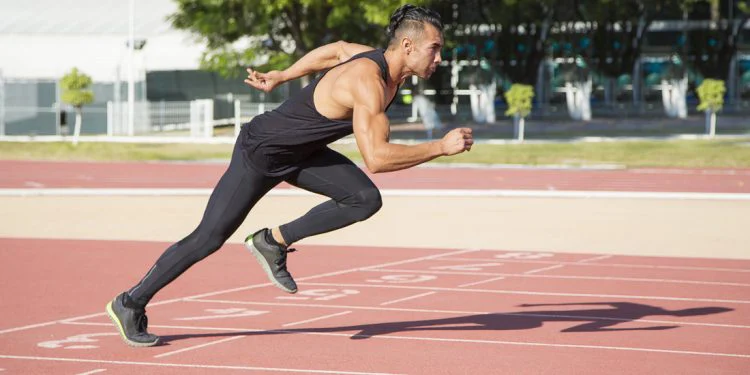
Athletic performance training is a specialized approach to fitness designed to improve an athlete’s physical abilities, including strength, endurance, speed, agility, and overall performance in sports. Whether an individual participates in professional competitions or recreational activities, structured training programs can significantly enhance physical capacity and reduce the risk of injuries.
Modern athletic training integrates principles from sports science, biomechanics, nutrition, and recovery techniques. Organizations such as National Strength and Conditioning Association and American College of Sports Medicine provide evidence-based guidelines that coaches and trainers use to optimize performance and maintain athlete health.
This guide explains the fundamentals of athletic performance training, including training components, effective methods, nutrition strategies, and recovery practices that support long-term athletic development.
Understanding Athletic Performance Training
Athletic performance training refers to a structured fitness program designed specifically to improve sport-related skills and physical attributes. Unlike general fitness routines, these programs focus on movements and exercises that directly enhance athletic performance.
The scientific foundation of performance training often draws from disciplines such as Sports Science, Exercise Physiology, and Biomechanics. These fields help researchers and trainers understand how the body adapts to training stimuli and how to maximize performance improvements.
Elite athletes like LeBron James, Cristiano Ronaldo, and Serena Williams rely heavily on structured athletic performance training programs to maintain peak physical condition and outperform competitors.
Core Components of Athletic Performance Training
Strength Training
Strength is a foundational element of athletic performance. Resistance training helps athletes develop muscle power and stability needed for explosive movements.
Popular strength exercises include:
- Squat
- Deadlift
- Bench Press
- Lunge
Strength training increases muscle mass, improves joint stability, and enhances power output. Many professional teams in leagues such as the National Basketball Association and National Football League incorporate advanced strength programs into their training schedules.
Speed and Agility Development
Speed and agility determine how quickly an athlete can change direction and react during competition.
Training methods often include:
- Sprint intervals
- Ladder drills
- Cone drills
- Plyometric exercises
These workouts stimulate fast-twitch muscle fibers, which are essential for explosive performance. Coaches often reference the Stretch-Shortening Cycle to design plyometric drills that improve reaction time and muscle elasticity.
Sports such as soccer, basketball, and tennis demand high agility levels, which is why players in tournaments like the FIFA World Cup and Olympic Games emphasize agility training.
Endurance and Conditioning
Cardiovascular endurance allows athletes to sustain physical effort for extended periods.
Effective conditioning methods include:
- Interval running
- Cycling workouts
- Swimming sessions
- Circuit training
Many endurance programs rely on the VO2 Max metric, which measures the body’s maximum oxygen utilization during intense exercise. Athletes competing in endurance events like the Boston Marathon often focus heavily on improving this capacity.
Flexibility and Mobility
Flexibility improves joint movement and helps prevent injuries. Mobility training ensures that athletes maintain a full range of motion during complex movements.
Common mobility exercises include:
- Dynamic stretching
- Foam rolling
- Yoga-based routines
Training programs often incorporate poses inspired by Downward Dog and Child’s Pose to enhance muscle flexibility and recovery.
Importance of Sport-Specific Training
Athletic performance training becomes more effective when tailored to the specific demands of a sport.
For example:
- Basketball players emphasize vertical jumping and agility.
- Soccer players prioritize endurance and speed.
- Tennis players focus on quick lateral movements and reaction time.
Training systems developed by institutions such as United States Olympic & Paralympic Committee focus on individualized training strategies based on sport requirements and athlete physiology.
Role of Nutrition in Athletic Performance
Nutrition is essential for fueling workouts, enhancing recovery, and maintaining peak performance.
Sports nutrition often draws from research in Sports Nutrition to develop meal plans that support intense physical activity.
Key Nutritional Elements
Carbohydrates
Carbohydrates provide the primary energy source for athletes. Foods like Oatmeal, Brown Rice, and Sweet Potato help maintain glycogen levels during training.
Protein
Protein supports muscle repair and growth. Athletes often consume sources such as Chicken Breast, Egg, and Greek Yogurt to meet their daily protein requirements.
Healthy Fats
Healthy fats support hormone production and energy balance. Foods like Avocado and Almond provide beneficial fatty acids.
Recovery and Injury Prevention
Recovery is a critical part of any athletic performance training program. Without proper recovery, athletes risk overtraining and injury.
Recovery techniques often include:
- Adequate sleep
- Active recovery workouts
- Stretching routines
- Hydration strategies
Modern recovery science often references methods developed by organizations such as the International Olympic Committee to optimize athlete health.
Common sports injuries include:
- Anterior Cruciate Ligament Injury
- Tennis Elbow
- Hamstring Strain
Preventive strength training and proper warm-ups significantly reduce the risk of these injuries.
Technology in Athletic Performance Training
Advancements in technology have revolutionized the way athletes train and monitor performance.
Wearable fitness trackers and performance monitoring systems help measure important metrics such as heart rate, movement patterns, and workload. Popular devices include products from Garmin, Fitbit, and Apple.
Sports teams and research institutions also use motion analysis systems and high-speed cameras to analyze biomechanics and improve movement efficiency.
Role of Coaches and Performance Specialists
Professional coaches and sports scientists play a vital role in athletic development. They design customized training programs based on the athlete’s goals, physical condition, and sport requirements.
Certified strength coaches often obtain credentials from organizations such as the National Strength and Conditioning Association, which offers the well-known Certified Strength and Conditioning Specialist certification.
These professionals ensure that training programs follow scientifically supported principles while minimizing injury risk.
Mental Training for Athletic Performance
Athletic success depends not only on physical abilities but also on mental resilience. Sports psychology techniques help athletes maintain focus, confidence, and emotional control during competition.
Many mental training programs rely on strategies related to Sports Psychology. Techniques include visualization, breathing exercises, and mindfulness practices.
Elite athletes competing in global events like the Olympic Games often work with sports psychologists to develop mental toughness and performance consistency.
Creating an Effective Athletic Performance Training Plan
An effective training plan should include several key elements:
- Goal Setting
Define specific performance goals such as improving sprint speed or increasing strength. - Progressive Overload
Gradually increase training intensity to stimulate muscle adaptation. - Balanced Training Schedule
Combine strength, endurance, flexibility, and recovery sessions. - Performance Monitoring
Track metrics such as heart rate, endurance levels, and strength improvements. - Rest and Recovery
Schedule regular rest days to prevent burnout and support muscle repair.
Athletes and trainers often follow frameworks based on the Periodization principle, which divides training into phases to optimize long-term performance.
Conclusion
Athletic performance training is a comprehensive approach to improving physical abilities and achieving peak sports performance. By combining strength development, agility training, endurance conditioning, nutrition strategies, and recovery methods, athletes can significantly enhance their capabilities and reduce the risk of injury.
Scientific research from fields such as Exercise Physiology and Sports Science continues to shape modern training techniques, allowing athletes to reach new levels of excellence.
Whether training for professional competitions, amateur sports, or personal fitness goals, a well-structured athletic performance training program can help individuals achieve lasting improvements in strength, speed, endurance, and overall health.
