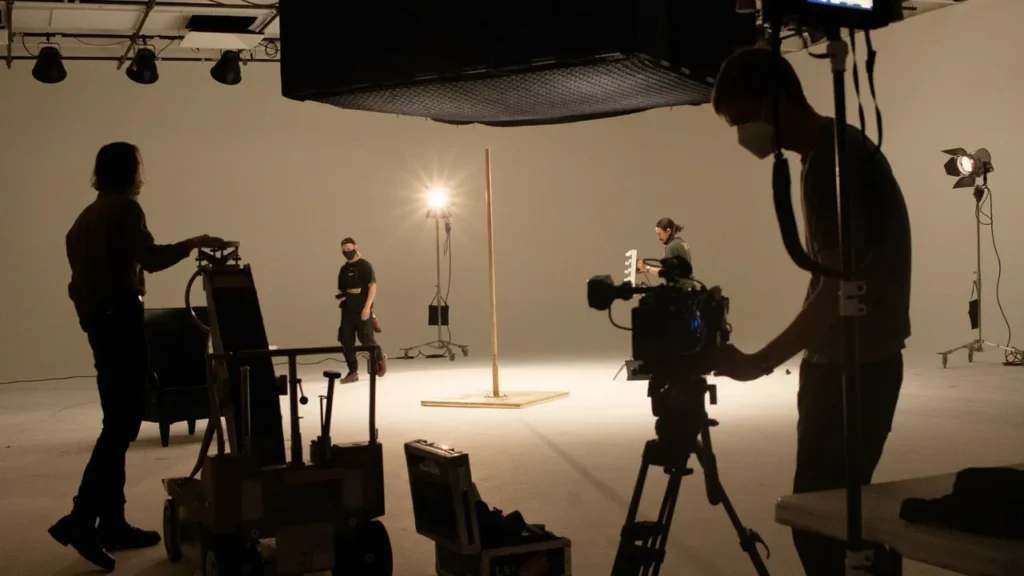
Film production techniques are the backbone of the global film industry, shaping how stories are visualized, recorded, and presented to audiences. From classic cinema to modern digital filmmaking, these techniques determine the artistic quality and technical precision of every movie. Legendary filmmakers like Steven Spielberg, Christopher Nolan, and Martin Scorsese have demonstrated how advanced production methods can transform storytelling into powerful cinematic experiences.
Today, film production involves multiple stages, sophisticated equipment, and collaborative teams. Studios such as Warner Bros., Universal Pictures, and Walt Disney Pictures rely on refined production techniques to create blockbuster films seen around the world.
This guide explores essential film production techniques used in modern filmmaking, from pre-production planning to post-production editing.
Understanding Film Production
Film production is the process of creating a movie from concept to final release. It involves creative development, technical planning, filming, and editing.
The modern filmmaking workflow typically includes:
- Pre-production
- Production
- Post-production
- Distribution
Each stage requires specialized techniques and professional expertise. Organizations like the Academy of Motion Picture Arts and Sciences recognize excellence in filmmaking during the annual Academy Awards, highlighting the importance of high-quality production techniques.
Pre-Production Techniques in Filmmaking
Pre-production is the planning stage where filmmakers organize all aspects of the film before shooting begins.
Script Development
The filmmaking process begins with a screenplay. Successful screenwriters often follow narrative structures inspired by works such as Save the Cat! and Story.
A strong script outlines:
- Character arcs
- Scene structure
- Dialogue
- Visual storytelling
Directors like Quentin Tarantino are known for distinctive scripts that guide the entire production process.
Storyboarding
Storyboarding is the visual representation of the script. Artists create frame-by-frame sketches showing camera angles, movement, and scene composition.
Filmmakers such as Alfred Hitchcock were famous for detailed storyboards that allowed precise scene execution.
Benefits of storyboarding include:
- Better visualization of scenes
- Efficient planning for camera setups
- Clear communication among production teams
Modern digital storyboarding tools are commonly used by major studios like Pixar.
Casting Techniques
Casting determines which actors will portray the characters in the film. Casting directors evaluate performers based on their acting ability, chemistry with other actors, and suitability for roles.
Famous casting successes include actors like Leonardo DiCaprio and Meryl Streep, whose performances significantly elevate film quality.
Location Scouting
Location scouting involves finding suitable filming locations that match the script’s requirements.
Production teams often use iconic filming destinations such as:
- Hollywood Sign
- New York City
- London
Choosing the right location can dramatically enhance a film’s visual authenticity.
Production Techniques: Capturing the Film
Production is the stage where the film is actually shot. This phase involves cinematography, lighting, directing actors, and recording sound.
Cinematography Techniques
Cinematography refers to the art of capturing images on camera. Cinematographers use various techniques to control visual storytelling.
Legendary cinematographers such as Roger Deakins have mastered visual storytelling in films like Blade Runner 2049.
Key cinematography techniques include:
Camera Angles
Different angles convey different emotions.
Examples include:
- Low-angle shots (power or dominance)
- High-angle shots (vulnerability)
- Eye-level shots (neutral perspective)
These techniques are widely used in films such as The Dark Knight directed by Christopher Nolan.
Camera Movement
Camera movement adds dynamic energy to scenes.
Common movements include:
- Tracking shots
- Dolly shots
- Crane shots
- Steadicam shots
A famous example is the long tracking shot in Goodfellas directed by Martin Scorsese.
Lighting Techniques
Lighting defines mood, tone, and visual depth in films.
Common lighting setups include:
Three-Point Lighting
Three-point lighting is a standard technique consisting of:
- Key light
- Fill light
- Backlight
This system is widely used in professional film production.
Low-Key Lighting
Low-key lighting creates dramatic shadows and is commonly used in genres such as thriller and noir.
Films like The Godfather directed by Francis Ford Coppola use low-key lighting to enhance dramatic tension.
Sound Recording Techniques
High-quality audio is essential for professional filmmaking. Production teams use specialized microphones and recording equipment to capture dialogue and environmental sounds.
Common sound equipment includes:
- Boom microphones
- Lavalier microphones
- Field recorders
Companies like Sennheiser and Sony manufacture widely used professional recording equipment.
Post-Production Techniques
Post-production is where raw footage is transformed into a polished film.
Film Editing
Editing shapes the final narrative structure of a film. Editors combine scenes, adjust pacing, and ensure continuity.
Editors often use professional software such as:
- Adobe Premiere Pro
- Final Cut Pro
- DaVinci Resolve
Legendary editor Thelma Schoonmaker has collaborated with Martin Scorsese on numerous award-winning films.
Visual Effects (VFX)
Visual effects allow filmmakers to create scenes that would be impossible or dangerous to film in real life.
Major VFX studios include:
- Industrial Light & Magic
- Weta FX
These studios helped produce groundbreaking effects in films like Avatar directed by James Cameron.
Color Grading
Color grading enhances the visual tone of a film.
For example:
- Warm tones create emotional intimacy
- Cool tones add suspense or isolation
Films like Mad Max: Fury Road showcase dramatic color grading to enhance visual impact.
Sound Design and Music
Sound design adds depth to the cinematic experience through effects, background sounds, and music.
Composers like Hans Zimmer and John Williams have created iconic soundtracks for films including Inception and Star Wars.
Modern Film Production Technologies
The film industry continues to evolve with new technologies.
Digital Filmmaking
Modern filmmakers increasingly use digital cameras rather than traditional film.
Popular cinema cameras include:
- ARRI Alexa
- RED Komodo
These cameras provide high resolution and flexibility for visual effects.
Virtual Production
Virtual production combines real-time graphics and LED screens to create realistic environments.
This technology gained prominence in productions like the television series The Mandalorian produced by Lucasfilm.
Virtual production reduces location costs and allows filmmakers to visualize scenes instantly.
Best Practices for Successful Film Production
Professional filmmakers often follow these best practices:
Strong Collaboration
Filmmaking requires teamwork among directors, producers, actors, cinematographers, editors, and sound designers.
Detailed Planning
Thorough pre-production planning minimizes costly delays during filming.
Creative Vision
A clear artistic vision helps maintain consistency throughout the production process.
Directors such as Stanley Kubrick and Ridley Scott are widely admired for their strong visual storytelling and meticulous production methods.
Conclusion
Film production techniques play a crucial role in shaping cinematic storytelling. From script development and storyboarding to cinematography, editing, and visual effects, every stage contributes to the final film experience.
The evolution of digital tools, advanced cameras, and virtual production technologies continues to transform the filmmaking landscape. Influential filmmakers like Steven Spielberg, Christopher Nolan, and James Cameron demonstrate how powerful film production techniques can elevate storytelling to new heights.
For aspiring filmmakers and film enthusiasts, understanding these techniques is essential for appreciating the artistry behind modern cinema and creating compelling films that captivate audiences worldwide.