Fashion retail marketing is an essential component of building a successful retail brand in today’s highly competitive market. As consumer behavior evolves and technology reshapes the shopping experience, fashion retailers must adopt innovative marketing strategies to engage customers, enhance brand loyalty, and drive sales. This guide explores the key concepts, strategies, and trends in fashion retail marketing, offering practical insights for retailers seeking to elevate their business.
Understanding Fashion Retail Marketing
Fashion retail marketing refers to the strategic efforts that fashion brands undertake to promote products, connect with their target audience, and increase sales across various channels. It encompasses a range of activities, from in-store promotions and visual merchandising to digital marketing and influencer partnerships.
In today’s market, successful fashion retail marketing requires an integrated approach that blends traditional and digital strategies. Retailers like Zara, H&M, and Uniqlo have demonstrated the power of combining strong brand identity with innovative marketing tactics.
Key Components of Fashion Retail Marketing
- Target Audience Analysis
Identifying and understanding the target audience is the first step in fashion retail marketing. Retailers must analyze demographics, psychographics, shopping behaviors, and preferences to tailor marketing strategies effectively. For example, luxury brands like Gucci and Louis Vuitton often target high-income consumers with a strong focus on exclusivity and premium experiences. - Brand Positioning and Identity
Fashion brands must create a unique identity to differentiate themselves in a crowded market. Brand positioning involves defining the brand’s values, style, and promise to customers. Retailers like Nike and Adidas emphasize performance and lifestyle, integrating their branding into both marketing campaigns and in-store experiences. - Visual Merchandising
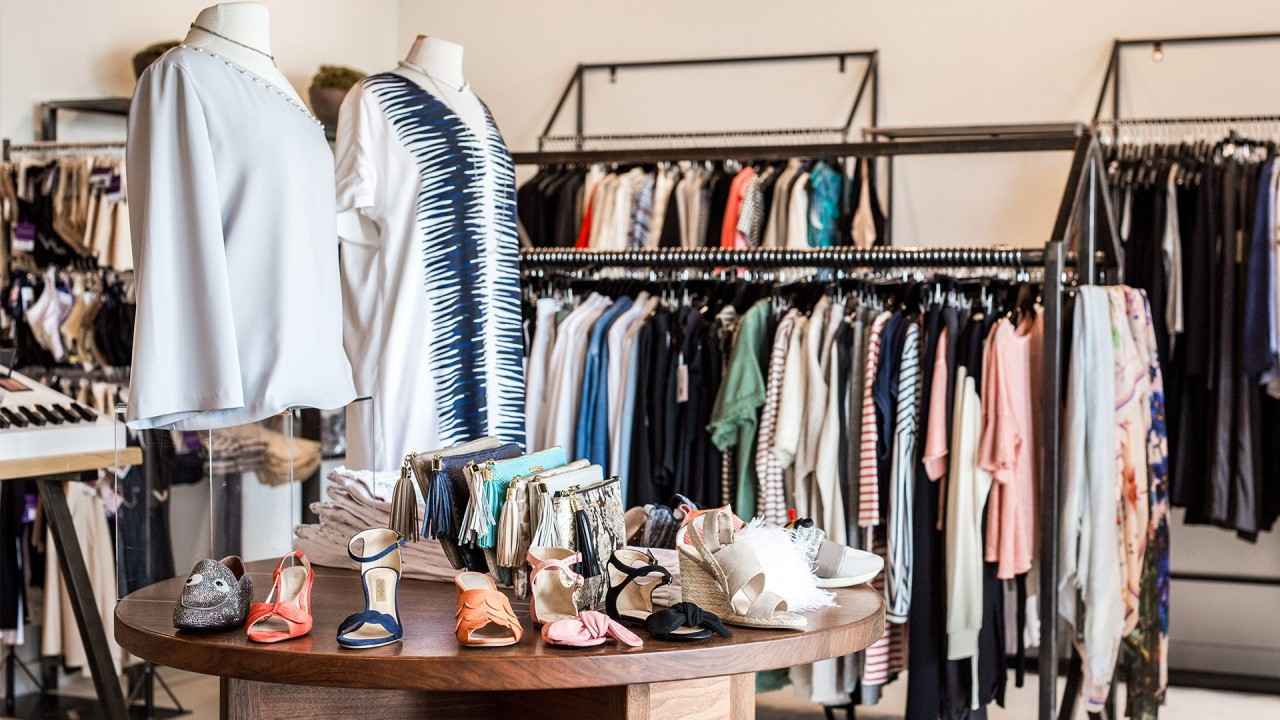
Visual merchandising is a critical aspect of fashion retail marketing, as the presentation of products directly influences purchasing behavior. Effective displays, window designs, and store layouts can enhance the customer experience and increase conversion rates. Retailers often collaborate with professional visual merchandisers to create immersive and aesthetically appealing environments. - Digital Marketing Strategies
Digital marketing has transformed fashion retail. Social media platforms like Instagram, TikTok, and Pinterest play a vital role in brand storytelling, product promotion, and influencer partnerships. Key digital marketing strategies include:- Content Marketing: Blogs, lookbooks, and style guides to educate and engage consumers.
- Email Marketing: Personalized newsletters and promotions to retain customers.
- Social Media Advertising: Targeted ads to reach specific audiences.
- Search Engine Optimization (SEO): Optimizing online content to rank higher in search results for terms like “fashion retail marketing,” “trendsetting apparel,” or “designer clothing sales.”
- Content Marketing: Blogs, lookbooks, and style guides to educate and engage consumers.
- Influencer and Celebrity Collaborations
Collaborations with influencers and celebrities can amplify brand reach and credibility. For instance, Kylie Jenner and Chiara Ferragni have successfully promoted fashion brands through social media campaigns, leading to increased engagement and sales. These collaborations often target niche audiences and enhance brand visibility across multiple platforms. - Omnichannel Retail Marketing
Integrating offline and online marketing channels creates a seamless customer experience. Omnichannel strategies include click-and-collect services, mobile app engagement, and consistent branding across physical stores and digital platforms. Retailers such as Nordstrom and Macy’s successfully implement omnichannel strategies to cater to modern consumer expectations.
Emerging Trends in Fashion Retail Marketing
- Sustainability and Ethical Marketing
Consumers increasingly value sustainability and ethical practices. Brands that emphasize eco-friendly materials, fair trade practices, and responsible manufacturing gain a competitive edge. Retailers like Patagonia and Stella McCartney have built their marketing around sustainability, attracting environmentally conscious consumers. - AI-Powered Personalization
Artificial intelligence (AI) enables personalized shopping experiences by analyzing customer behavior and preferences. AI-driven recommendation engines and chatbots help retailers deliver tailored suggestions, boosting engagement and conversions. Brands like ASOS utilize AI to enhance online shopping experiences and improve customer retention. - Experiential Marketing
Fashion brands are increasingly investing in experiential marketing, creating immersive events, pop-up stores, and interactive installations. These experiences allow consumers to connect with the brand on a deeper level, fostering loyalty and word-of-mouth marketing. Events like Paris Fashion Week and New York Fashion Week showcase how brands leverage experiences to generate buzz and media coverage. - Mobile Commerce (mCommerce)
With the rise of smartphones, mobile commerce has become a crucial channel for fashion retail marketing. Optimized mobile apps, push notifications, and in-app promotions help retailers reach consumers directly. Companies like Shein and Zalando capitalize on mCommerce to drive sales and enhance the shopping experience. - Data-Driven Decision Making
Fashion retailers increasingly rely on analytics and big data to inform marketing strategies. Insights on customer preferences, purchasing trends, and campaign performance enable brands to optimize pricing, promotions, and inventory management. Data-driven marketing helps retailers respond quickly to market changes and consumer demands.
Challenges in Fashion Retail Marketing
Despite the opportunities, fashion retail marketing faces several challenges:
- High Competition: The fashion industry is saturated, making differentiation difficult.
- Rapidly Changing Trends: Consumer tastes evolve quickly, requiring agile marketing strategies.
- Digital Overload: Brands must balance multiple online channels without overwhelming consumers.
- Sustainability Pressure: Ethical and sustainable practices are no longer optional but essential for credibility.
Best Practices for Effective Fashion Retail Marketing
- Consistent Branding Across Channels – Ensure that visual identity, tone, and messaging are uniform across physical stores, websites, and social media.
- Engaging Storytelling – Use narratives that resonate with your audience, highlighting brand values and lifestyle aspirations.
- Leveraging User-Generated Content – Encourage customers to share photos and reviews, building trust and community engagement.
- Regular Market Analysis – Stay ahead of trends by monitoring competitor strategies, consumer behavior, and market insights.
- Invest in Technology – Adopt tools like CRM systems, AI analytics, and mobile apps to enhance customer experience and operational efficiency.
Conclusion
Fashion retail marketing is a dynamic and multifaceted discipline that requires creativity, data-driven strategies, and a deep understanding of consumer behavior. By embracing digital innovation, omnichannel approaches, and sustainability, fashion brands can build stronger relationships with their customers, enhance brand loyalty, and drive long-term growth. Retailers who implement effective fashion retail marketing strategies position themselves to thrive in a competitive and ever-evolving industry.
For fashion brands seeking to remain competitive, mastering the art of fashion retail marketing is no longer optional — it is a necessity. From leveraging influencer collaborations to embracing AI-driven personalization, the future of fashion retail marketing will continue to evolve alongside technology and consumer expectations.