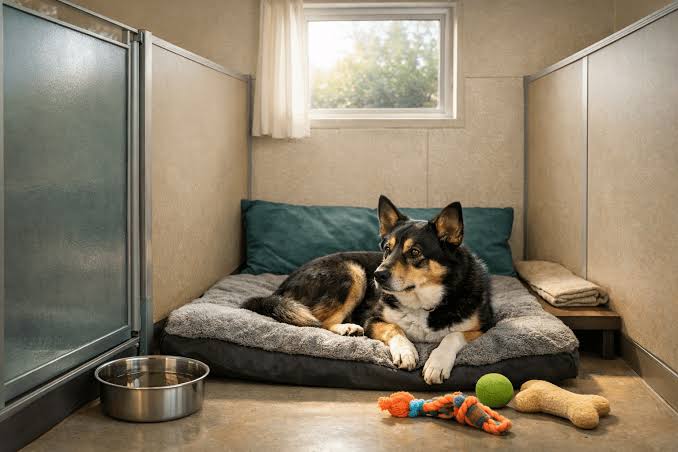
Finding reliable dog boarding for anxious dogs requires more than choosing a facility with available space. Dogs that experience separation anxiety, nervousness, fear, or stress in unfamiliar environments may need a thoughtful approach that considers their individual behavior, routines, and comfort level.
A good boarding experience should help reduce unnecessary stress while keeping your dog safe, supervised, and engaged. Understanding what anxious dogs need can help owners make more confident decisions before leaving their pets in someone else’s care.
Why Anxious Dogs Need Specialized Boarding
Dogs can become anxious for many reasons. Changes in routine, unfamiliar people, new environments, loud noises, separation from their owners, and previous stressful experiences can all influence how a dog responds to boarding.
Some dogs may show obvious signs of anxiety, such as pacing, whining, barking, trembling, hiding, or refusing food. Others may become unusually quiet or withdrawn. Recognizing these behaviors is important because stress does not always look the same from one dog to another.
For this reason, dog boarding for anxious dogs should focus on more than basic feeding and supervision. A structured environment, predictable routines, appropriate activity, and attentive caregivers can make the experience easier for a nervous dog.
What Makes Dog Boarding More Comfortable
The right boarding environment can help an anxious dog adjust. While every dog is different, several factors can contribute to a positive experience.
Look for a boarding provider that offers:
- Consistent daily routines
- Experienced and attentive caregivers
- Safe and secure boarding areas
- Appropriate exercise and enrichment
- Individual attention when needed
- Clear feeding and medication routines
- Communication with owners about their dog’s behavior
- A thoughtful approach to nervous or reactive behavior
Predictability matters because dogs often respond better when they know what to expect. Regular meal times, exercise periods, rest, and human interaction can create structure during an unfamiliar experience.
Prepare Your Dog Before Boarding
Preparation can make a difference when boarding an anxious dog. Instead of waiting until departure, owners can gradually introduce experiences that may help their dogs become more comfortable with changes in routine.
Start by maintaining consistent training and daily routines at home. Basic obedience skills, calm behavior, leash manners, and reliable responses to common cues can make handling easier for both the dog and caregiver.
It can also help to provide the boarding provider with information about your dog, including:
- Feeding schedule and dietary requirements
- Medication instructions, if applicable
- Exercise preferences
- Known triggers or fears
- Sleep habits
- Favorite activities or enrichment
- Behaviors that indicate stress
- Commands or routines your dog already understands
Detailed information gives caregivers a clearer picture of what is normal for your dog and what may indicate something is wrong.
Dog Boarding for Anxious Dogs and Daily Routines
Routine is one of the most valuable tools when caring for a nervous dog. A predictable schedule can reduce uncertainty and help a dog understand its temporary environment.
For example, a dog may become more comfortable when meals, walks, rest periods, and enrichment occur at consistent times. This does not mean every day must follow an identical schedule, but maintaining structure can help prevent unnecessary overstimulation.
Exercise should also be appropriate for the individual dog. Some anxious dogs may benefit from calm walks and one-on-one activities rather than constant exposure to a busy group environment.
The goal is not simply to keep a dog occupied. It is to provide the right combination of physical activity, mental stimulation, rest, and human interaction.
Recognizing Stress During Boarding
Owners should understand common signs of canine stress before making boarding arrangements. Knowing what to watch for allows caregivers to respond appropriately and helps owners provide better information.
Potential signs include:
- Excessive barking or whining
- Pacing or repetitive movement
- Excessive panting
- Hiding or avoiding interaction
- Changes in appetite
- Restlessness
- Destructive behavior
- Excessive licking
- Increased reactivity
A single behavior does not necessarily mean a dog is experiencing severe anxiety. Context matters. Caregivers should consider the dog’s normal personality, the surrounding environment, and whether the behavior continues or changes over time.
This is where experience with canine behavior becomes valuable. A caregiver who understands individual differences can distinguish between normal adjustment and behavior that may require additional attention.
How Training Can Support Boarding Success
Training and boarding can work together to improve a dog’s experience. Dogs that understand basic cues may be easier to guide through unfamiliar situations, while consistent communication can help reduce confusion.
Useful skills can include sit, stay, place, come, leash walking, create comfort, and appropriate greetings. Impulse control can also help dogs manage excitement or uncertainty in new environments.
For dogs with significant behavioral challenges, individualized training may be appropriate before or alongside boarding. Professional guidance can help owners understand their dog’s triggers and develop practical strategies for managing difficult situations.
The objective is not to eliminate every anxious response. Instead, training can give dogs and caregivers better tools for navigating situations that might otherwise become overwhelming.
Questions to Ask Before Choosing a Boarding Provider
Before selecting a boarding facility, ask specific questions about how the provider handles nervous dogs. General claims about excellent pet care are less useful than clear explanations of daily procedures.
Consider asking:
- How are anxious dogs introduced to the environment?
- Are dogs given opportunities for individual attention?
- How is exercise structured?
- What happens if a dog becomes highly stressed?
- How are feeding and medication instructions handled?
- How does the facility manage interactions between dogs?
- What information should owners provide before boarding?
- How are owners updated about their dog’s stay?
The answers can reveal how prepared a provider is to accommodate different canine personalities.
A quality boarding experience should recognize that dogs are individuals. A confident, social dog may thrive with a different routine than a nervous dog that needs additional space and gradual interaction.
Creating a Positive Boarding Experience
Owners can take several simple steps to make boarding easier. Bring familiar instructions and maintain the dog’s usual routine as much as practical. Avoid making the departure unnecessarily dramatic, since heightened emotional energy can sometimes increase a dog’s stress.
Most importantly, choose a provider that takes time to understand your dog rather than treating every boarding stay the same way.
For dogs with anxiety, comfort comes from thoughtful care, appropriate structure, and caregivers who recognize behavioral signals. These elements can help create a safer and more predictable experience away from home.
Choosing Dog Boarding for Anxious Dogs With Confidence
Selecting dog boarding for anxious dogs is ultimately about finding care that respects the dog’s individual needs. A secure environment, consistent routines, knowledgeable caregivers, and appropriate enrichment can all contribute to a more comfortable stay.
Preparation also matters. When owners provide detailed information and continue building useful training skills, caregivers have a better foundation for supporting the dog.
If your dog becomes nervous when separated from you or struggles in unfamiliar environments, consider working with a professional team that understands canine behavior and individualized care. Rob’s Dog Training offers professional dog training services designed to help owners better understand and manage their dogs’ behavior.
To learn more about professional dog care and training options, visit robsdogs.
.